In the Eye of the Designer…
The Importance of Flooring
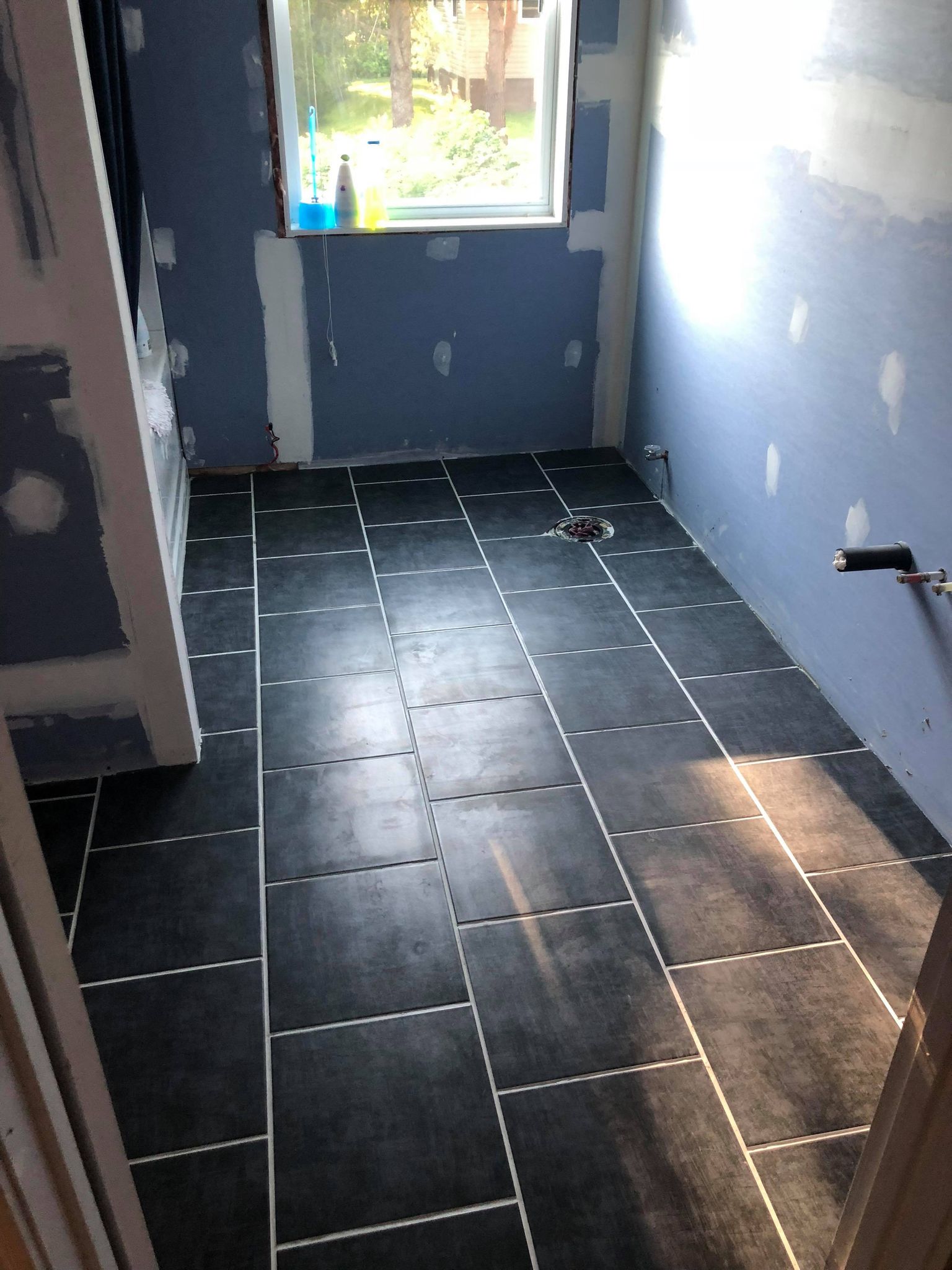
Flooring sets the foundation — literally and visually — so it’s the smartest place to begin any project. Selecting your flooring first creates a clear direction for the palette and style, particularly when the floor is intended to anchor the design. Once that decision is made, the rest of the scheme can be curated intentionally.
If you’re elevating a space without changing the floors, treat them as a key design element. Your colours and styling should enhance the existing material, not fight against it.
The Fall of Grey
For nearly a decade, our homes have been dominated by the “modern grey” aesthetic. And while grey will always be a timeless neutral, its reign is officially fading.
I fell into the grey‑on‑grey trend myself in my late teens — chic at the time, but something I quickly outgrew.
The truth is, grey is easy… but it’s also flat. A home should feel warm, welcoming, and full of life, and an all‑grey palette rarely delivers that. Instead, it can make a space feel staged rather than lived‑in.
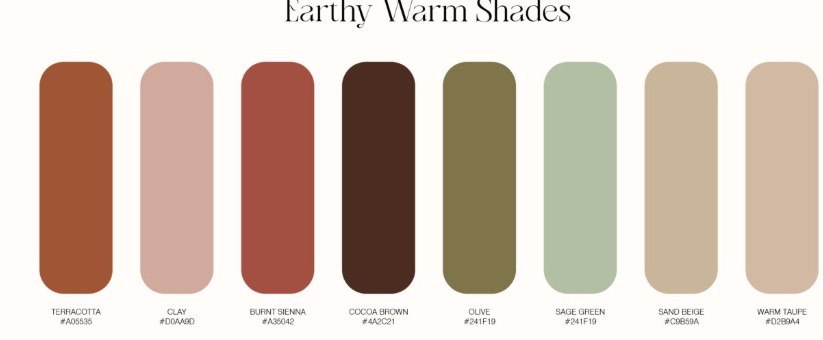
The good news? You can still achieve a modern, minimal look without defaulting to black, white, and grey. There are countless colour palettes that bring softness, depth, and personality back into your home. Think warm earth tones, moody depth, and soft pastel calm.
Photo: https://drinterio.com/2025/11/15/2025-colour-trends-earthy-warm-tones-japandi-palettes/
Accent Walls Done Right
Accent walls are such a fun way to bring personality into a space — but they work best when they’re intentional. Not every room is the right candidate for an accent wall; layout, sightlines, and scale all matter. When the conditions are right though, a well‑designed accent wall can completely transform a room.
Think of accent walls the same way you think of flooring: they can anchor the room and become the focal point when done thoughtfully.
Some of the best places to use them are bedrooms, living rooms, and especially laundry rooms. Laundry rooms are often simple, utilitarian spaces, which makes them the perfect blank canvas for a bold moment.
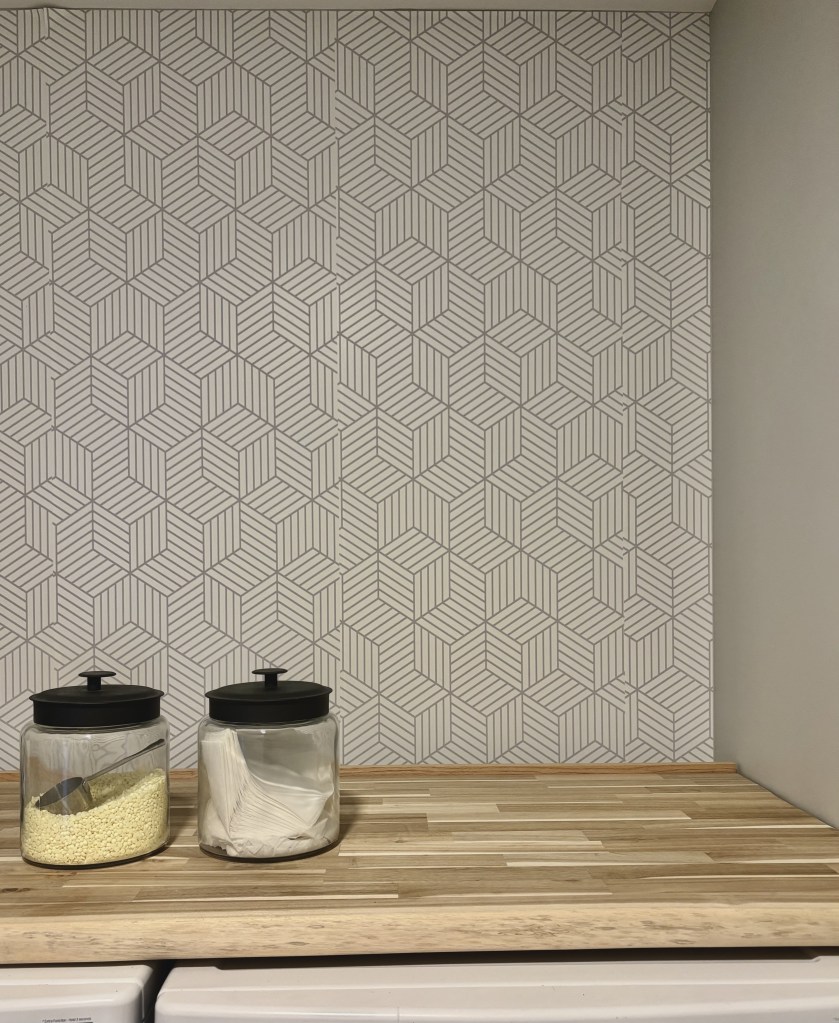
In the laundry room shown here, the space originally had plain grey walls and just the two machines — functional, but bland. Adding an accent wall and a butcher‑block counter instantly gave the room character and warmth. Laundry may never be a favourite chore, but the room you do it in doesn’t have to feel dull too.
Misconception #1
A big misconception in interior design is the idea that you have to buy all new furniture for a space to feel refreshed. That’s often why people shy away from hiring a designer — they assume the costs will snowball. But that couldn’t be further from the truth. Yes, some designers prefer to start with a blank slate, but it’s absolutely not a requirement.
One of my favourite parts of this work is helping people elevate their homes without blowing their budget. If we can reuse your existing furniture and simply bring in new paint, updated accessories, or a few strategic pieces, that’s the dream scenario.
And for anyone who does want to start fresh without the hefty price tag, there are fantastic budget‑friendly retailers out there — Structube being a great example. They offer stylish, well‑designed pieces at approachable prices, making it easier to refresh your space without the financial stress.
You don’t need a massive budget to make your home feel good. Thoughtful design goes a long way.

The Psychology of Color
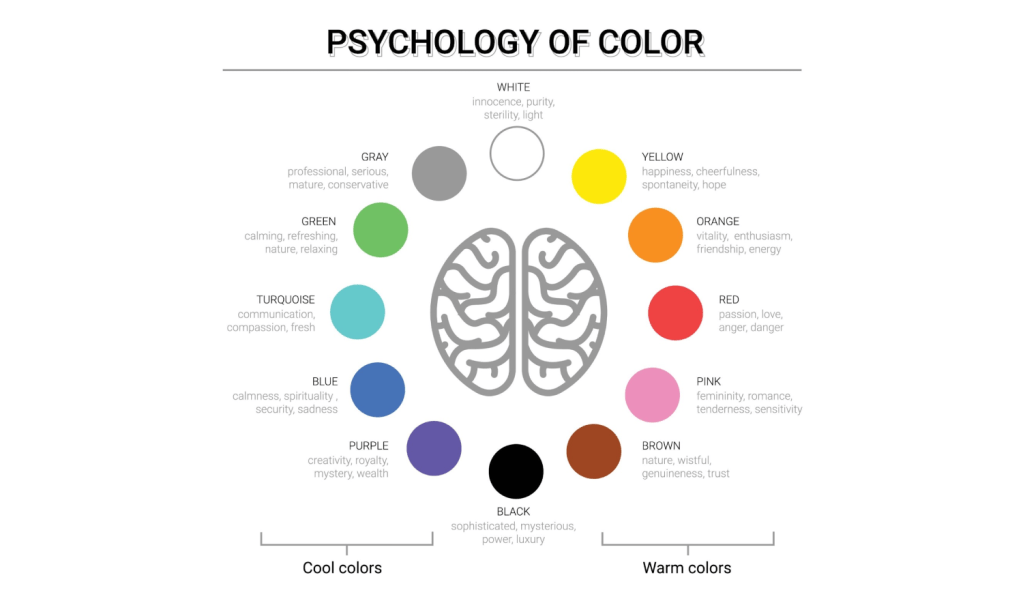
One concept interior designers rely on every day is the psychology of colour. When you’re choosing colours and patterns for your home, it’s important to think about how you want each room to feel — because every colour creates a different emotional response.
When I was in school, we studied this in depth. One example they used was fast‑food restaurants: McDonald’s, Burger King, Arby’s, Domino’s, Pizza Hut, Sonic, Dairy Queen, KFC — the list goes on. What do they all have in common besides serving fast food? They all use red. According to colour psychology, red stimulates appetite and grabs attention, which is exactly what those brands want.
That’s why choosing colours for your home matters so much. Using that same example, you wouldn’t want red in a bathroom or laundry room — it doesn’t support the mood or feeling those spaces are meant to create.
Mood Boards
What’s a mood board?
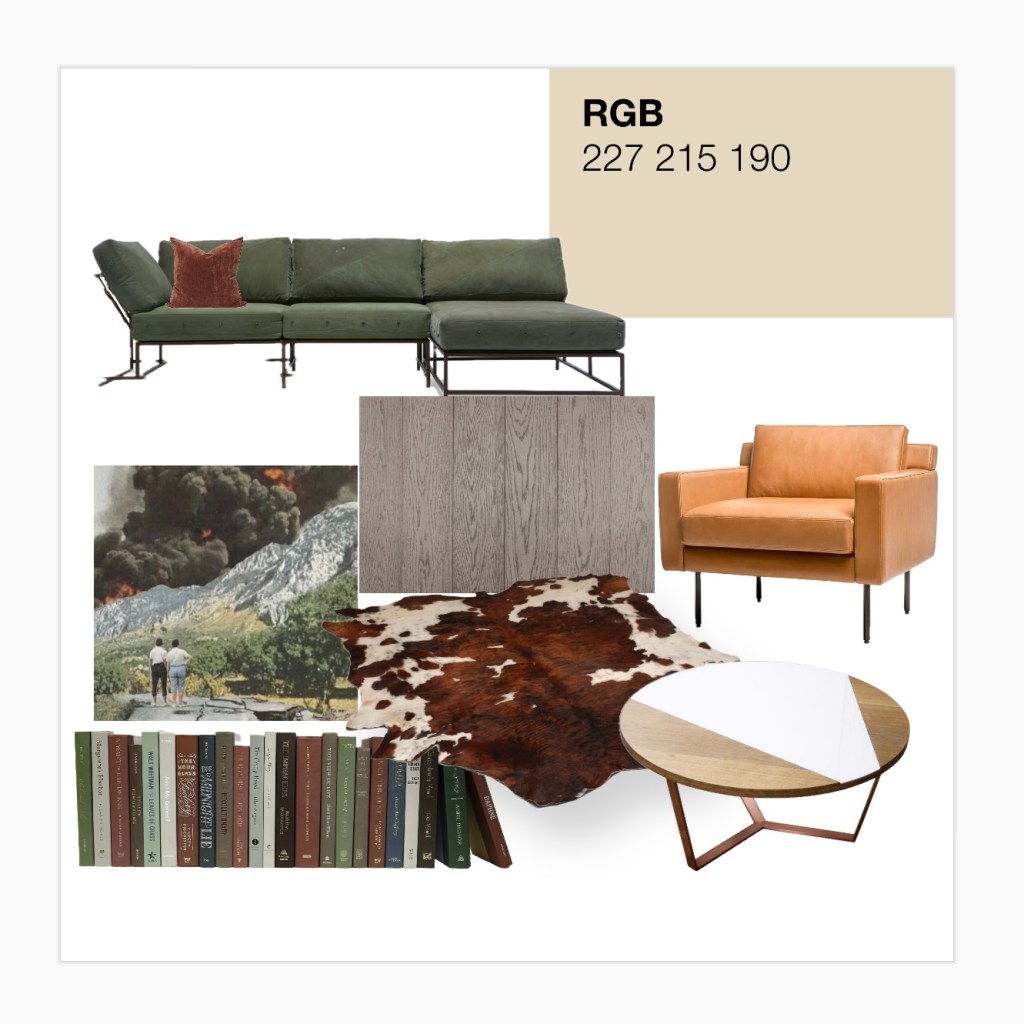
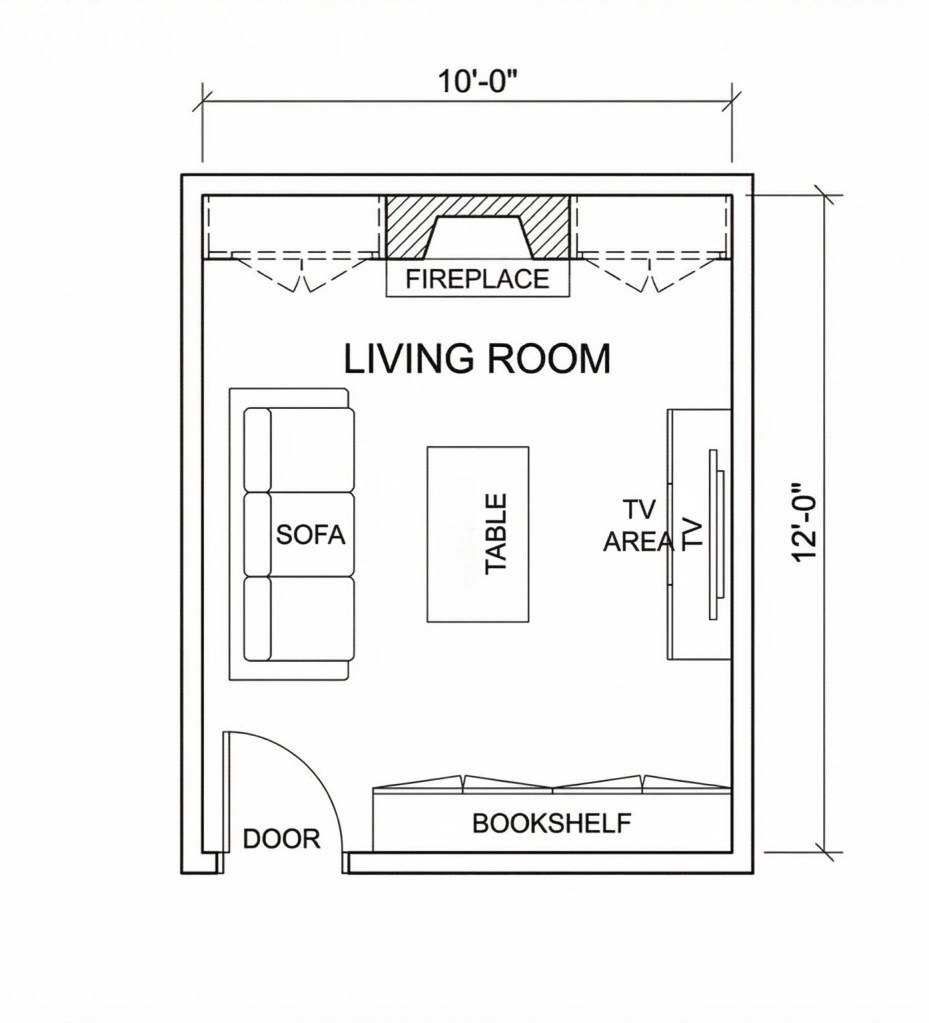
Think of a mood board as a visual story. It blends images, color palettes, textures, materials, and small bits of text to define the atmosphere and style of a project. Before anything is built or sourced, the mood board sets the emotional tone and ensures everyone sees the same vision.
Why designers rely on them:
• They establish direction from the start
• They help clients and teams connect to the concept
• They communicate emotion more clearly than words
• They keep every design choice cohesive
Misconception #2
A lot of people assume their space is “too small” to have good design or good feng shui, but it’s truly the opposite. Smaller spaces are often easier to make feel intentional, cozy, and like home. The real challenge in any project isn’t the square footage — it’s the layout. A well‑planned layout can transform even the tiniest room into something beautiful and functional. So never let the size of your space convince you it can’t be stunning. Every home, no matter how small, has the potential to feel like you.
Keep It Simple
Simplicity goes a long way.
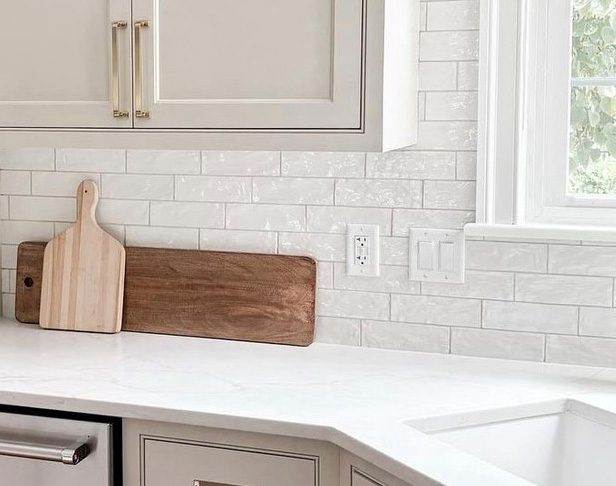
People often think redesigning their home means choosing something bold or complicated, but it doesn’t have to. A basic subway tile, a soft neutral paint colour, or a simple pattern can completely refresh a space without overwhelming it. Light whites, blues, and greys always feel clean and modern, and minimal patterns keep everything looking intentional.
Elevating your home can be beautifully simple.
 MJMDesigns